
the truth behind nostalgia
We get nostalgic for the past not because it was better, but because it was contained.

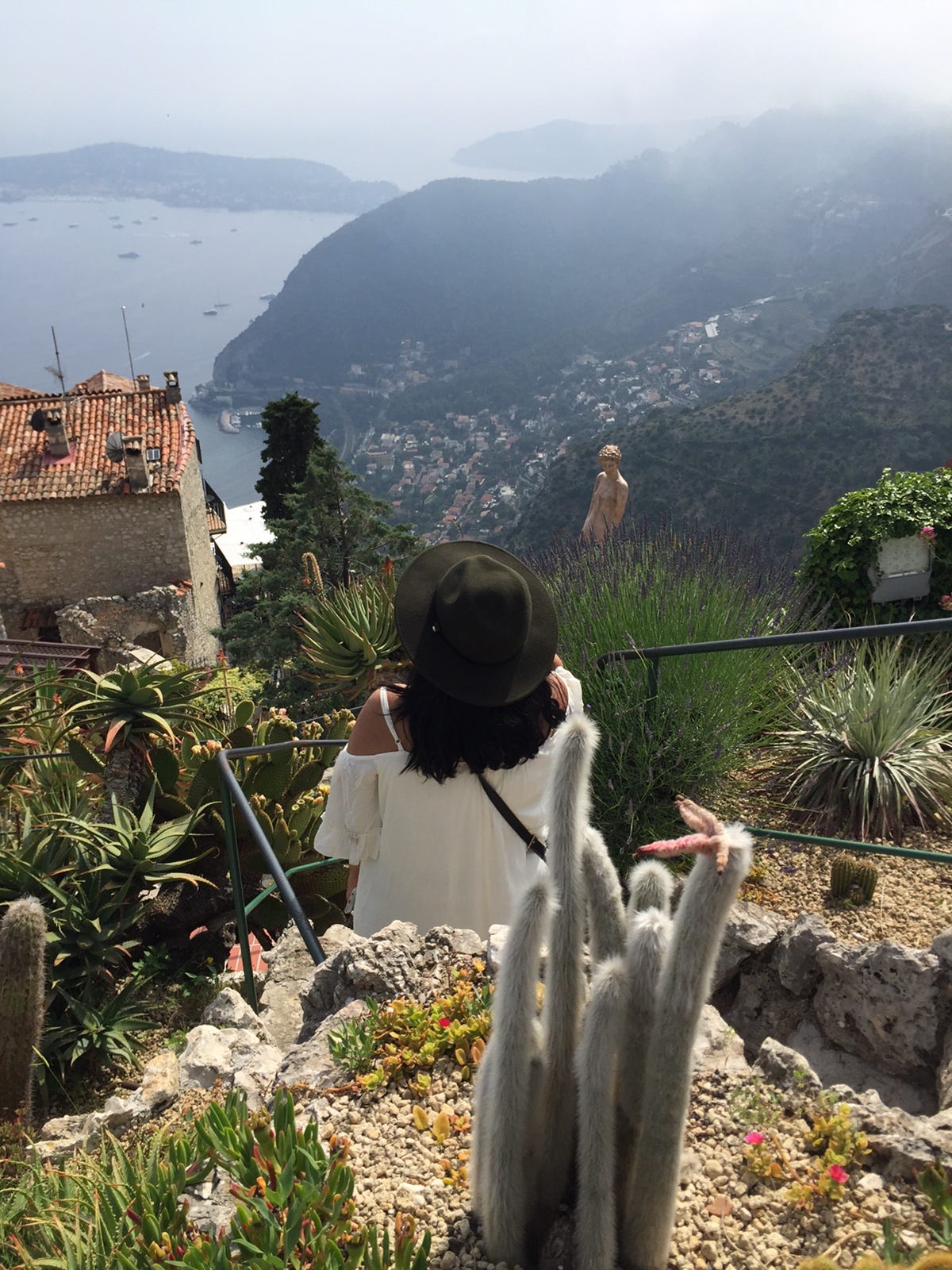
I don’t know if you’ve heard, but 2016 is very in right now.
For those of us on social media, we’ve seen a surge in nostalgic posts and “throwbacks” over the last week or so; it’s like my feed traveled back in time ten years. Right before the new year, I saw a post circulating about accepting a “gently used year” rather than jumping into a new year entirely (original creator, unknown). And I get it- 2025 was a hard year for many and the start of 2026 has been rocky to say the least. It’s not lost on me that in times of turmoil, conflict, and uncertainty, people will turn to comfort. It’s human nature.
Nostalgia can be dangerous, and this is a conversation that I have with my clients all the time. The main reason for this is we tend to remember the past based on feelings associated with it, not on reality. One of the main reasons why our minds travel to the past is typically because we are standing on the precipice of change and we don’t know what the future holds. When we are faced with the unfamiliar, we seek that which is familiar- the past is already complete and it can’t surprise us.
When I saw people sharing their 2016 selves, I jumped on the trend too (you can see my Instagram post here). It was a fun way to pay homage to a past version of myself. It’s funny, while I was looking for photos to share, I made a connection that wasn’t in my mind whatsoever. 2016 was the year that I began to feel left behind as I saw friends get engaged and married, yet it was also the year that I began writing again. As I was taking this trip down memory lane, I thought to myself “Man, life really was so much easier then.” But was it really? And easier in comparison to what? Ten years ago, I had no business to run, no mortgage, no tenants to be mindful of; I was completely covered under the care of my parents. The concerns I had back then were very minimal to the responsibilities I have now. When I compare my current circumstances to my life back then, of course 2016 seems easier. And I think this is exactly what a lot of people are doing with this trend. Because we are older and more settled in our identities as adults, when you combine that with the state of the world, then we yearn for simpler times.
But speaking of the state of the world, 2016 was by no means a “simpler” time. Here are some of the significant events that took place (some we don’t talk about much anymore): Brexit, the election of Donald Trump, the Dakota Access Pipeline Protests, the Zika epidemic, bombings at Brussels airport, the Nice terrorist attack (the photo above was taken two weeks before the truck drove into pedestrians in the same promenade my sister, mom, and I walked during our trip), the Syrian civil war and the destruction of Aleppo, and the Orlando nightclub shooting. When I think about these events, I remember the feelings I had associated with them, yet as I scrolled through my photo albums, my memory was focused solely on well, me. And that’s the thing, memory will always edit our pain but keep meaning. We’ll remember our own feelings about over how hard a certain point in time was.
All in all, when it comes to nostalgia, my suggestion is to always be curious. Feelings are informants, and when we are finding ourselves revisiting the past often, it usually means there’s something going on with our now. However, nostalgia isn’t solely about going back; it’s about carrying forward. It’s also a bridge that helps us gather what was true and meaningful in an effort to bring it into our present.
Con amor,
Lizzy
feelings are informants, love that line!
Great picture and speaking of nostalgia it took me back to 2016 when I was in Spain on a Work Away. I was staying up in the Sierra Nevada and looking down on a little village of Ohanes much like your photo.
Nostalgia anchors moments that our current situation can access and generate the feeling again that felt so good then and is arising again now.
Thanks for sharing Lizzy. ✌️😌